May 19, 2026
Choosing the right dumpster size can make a cleanup project much easier to manage. Whether you are clearing out a garage, handling a small renovation, or removing yard debris, the container you choose should match the amount and type of waste you expect to generate. A dumpster that is too small may require extra hauling, while one that is too large can take up unnecessary space and cost more than needed.
A 10-yard dumpster rental is often a practical option for smaller projects that still create more debris than regular trash service can handle. Its compact size makes it easier to place in driveways or tight spaces, while still offering enough capacity for many residential and light construction jobs. Understanding when this size is the right fit can help you plan your project more efficiently.
Managing Small Home Cleanouts
A small home cleanout is one of the most common reasons to choose a compact dumpster. If you are clearing clutter from a basement, attic, spare room, or garage, standard trash bins can fill up quickly. Old boxes, broken furniture, outdated household items, and general junk can create a larger pile than expected once everything is gathered in one place.
A 10-yard dumpster rental gives homeowners a central place to dispose of unwanted items without making repeated trips to a disposal facility. This can be especially helpful when cleaning out a room before moving, preparing for a renovation, or helping a family member downsize. For projects that involve moderate household debris rather than a full-home cleanout, this size often provides a convenient balance.
Handling Minor Remodeling Projects
Minor remodeling projects can produce a surprising amount of debris. Updating a bathroom, replacing cabinets, removing old flooring, or tearing out small sections of drywall can create bulky waste that is difficult to fit into curbside trash containers. Even when the project is limited to one room, debris can pile up quickly as materials are removed.
A compact dumpster can help keep the work area cleaner and safer during the renovation. Instead of stacking debris in the garage or driveway, materials can be placed directly into the container as work progresses. This helps reduce clutter, limit tripping hazards, and make cleanup more organized. A 10-yard dumpster rental is often well-suited for these smaller remodeling jobs.
Removing Roofing Debris
Roofing work is another project where dumpster size matters. Small roof repairs or limited shingle removal may not require a large container, but the debris is still heavy and awkward to manage. Shingles, underlayment, nails, flashing, and damaged wood can add weight quickly, making it important to choose a dumpster that can handle dense materials.
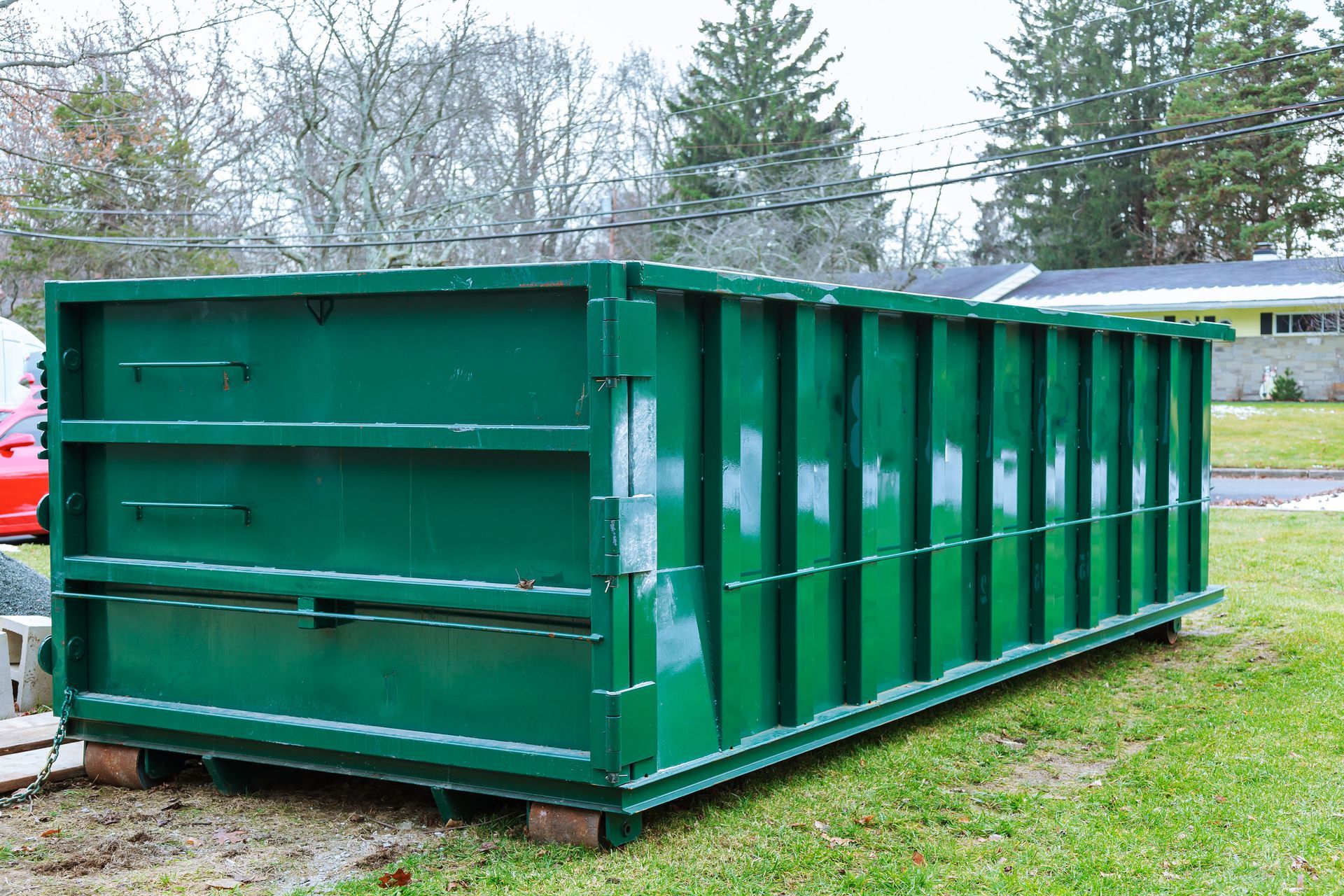
According to HomeGuide.com, measuring about fourteen feet long and three and a half feet high, a ten-yard dumpster is capable of holding roughly two to three tons of debris or waste, which is equal to approximately three pickup truck loads. This makes it a practical option for smaller roofing projects, depending on the square footage and material weight. Before scheduling a dumpster, it is helpful to estimate the amount of roofing material being removed so the container matches the job.
Clearing Yard Waste
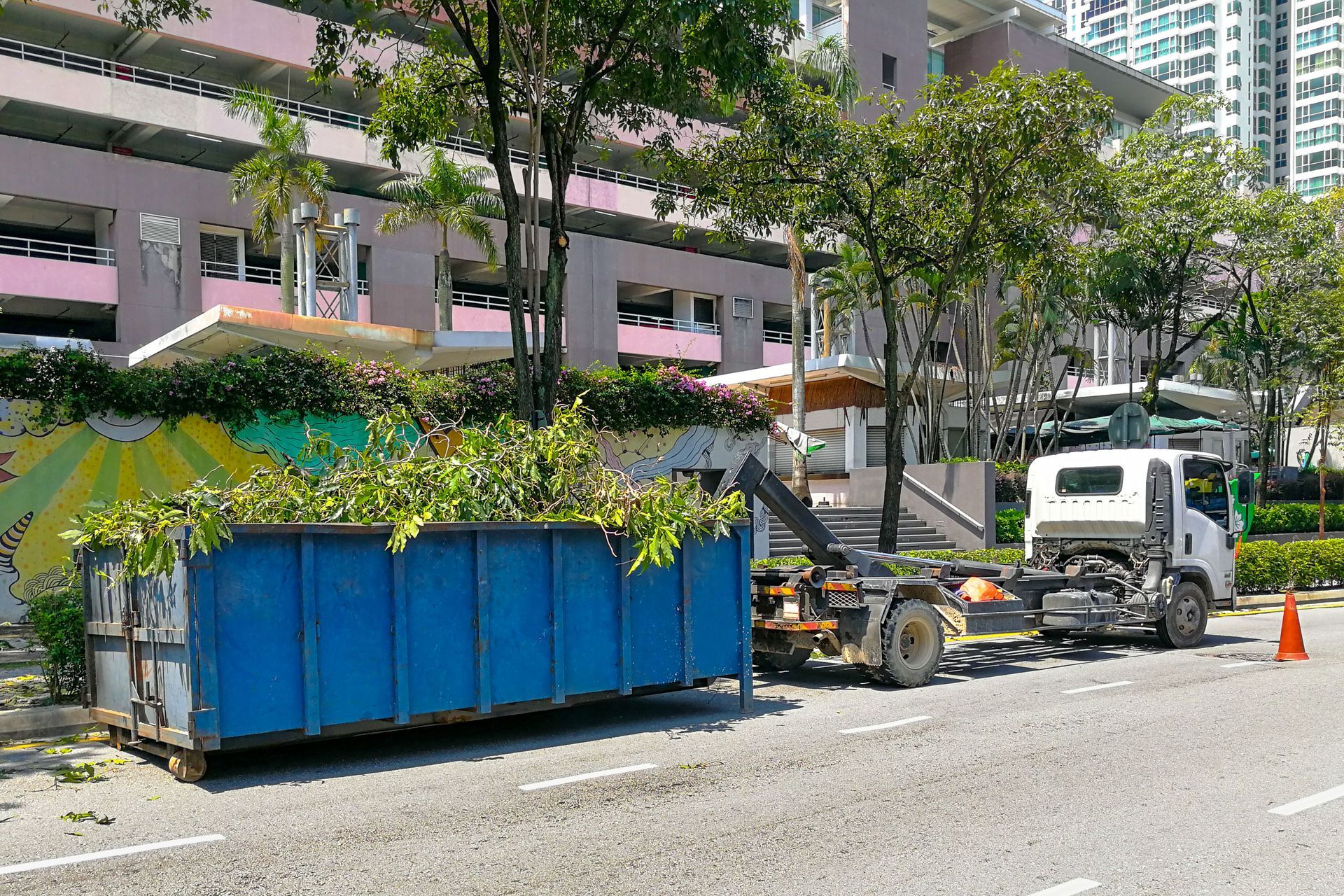
Yard projects can generate more waste than homeowners expect. Trimming trees, removing shrubs, cleaning up storm debris, or refreshing landscaping beds can leave behind branches, leaves, soil, sod, and plant material. While some yard waste can be bagged, larger projects may require a more efficient disposal option.
A smaller dumpster can be useful when the debris is too much for regular pickup but not enough to justify a larger container. It keeps the yard cleaner while the work is underway and reduces the need to pile debris near the curb. A 10-yard dumpster rental can be especially helpful for seasonal cleanup projects, small landscaping updates, or clearing debris after pruning and trimming.
Disposing of Heavy Materials
Some projects involve debris that is compact but heavy. Concrete, brick, tile, dirt, and stone can reach weight limits faster than lighter household materials. For these types of projects, a smaller dumpster is often preferred because it helps control load weight while still providing enough space for disposal.
Choosing a larger dumpster for heavy debris may seem convenient, but filling it completely could exceed safe hauling limits. A smaller container allows for more manageable loading and transport. Homeowners should always confirm what materials are allowed and whether weight restrictions apply before disposal. This helps avoid delays, extra costs, or the need to unload prohibited materials.
Organizing Apartment or Rental Cleanouts
Apartment cleanouts, rental turnovers, and small property cleanups often call for a dumpster that is easy to place and quick to fill. Landlords, property managers, and tenants may need to remove old furniture, damaged belongings, carpeting, boxes, or leftover trash after a move. These cleanouts can be too large for regular trash service but too small for a major hauling project.
A compact dumpster can help keep the cleanup process efficient. It allows waste to be collected in one location and removed once the project is complete. Because space may be limited near apartments or rental properties, the smaller footprint can be a major advantage. This makes it easier to manage debris without blocking access for neighbors, vehicles, or workers.
Supporting DIY Renovation Work
DIY projects are easier to manage when cleanup is planned from the beginning. Homeowners often focus on tools, materials, and schedules, but debris removal is just as important. Without a disposal plan, torn-out materials can slow progress and make the project feel more overwhelming.
A 10-yard dumpster rental offers a practical option for DIYers who need reliable waste removal without taking on more container space than necessary. It can support projects such as removing old carpet, replacing fixtures, updating trim, or clearing small amounts of construction debris. Having the dumpster on-site helps homeowners keep momentum and avoid interrupting the project for multiple dump runs.
Saving Space on Smaller Properties
Not every property has room for a large dumpster. Narrow driveways, small lots, shared parking areas, and tight work zones can make placement challenging. A smaller container is often easier to position without interfering with daily routines or blocking access to the home.
This is one of the biggest advantages of choosing a compact dumpster size. It provides useful capacity while taking up less room than larger options. Homeowners should still think carefully about placement, including driveway protection, overhead clearance, and access for delivery and pickup. Planning these details ahead of time helps make the rental process smoother.
Controlling Project Costs
Dumpster size can affect the overall cost of a cleanup project. Renting a container that is much larger than needed may mean paying for unused space. For small and medium projects, selecting the right size can help keep the budget more efficient while still providing enough room for debris.
A 10-yard dumpster rental can be a cost-conscious choice when the project scope is limited. It helps avoid overpaying for capacity that will not be used. However, cost should not be the only factor. Homeowners should also consider debris type, weight, project timeline, and disposal rules. Choosing the right fit from the start can help prevent added fees or scheduling issues.
Planning for Efficient Loading
How a dumpster is loaded can affect how much debris fits inside. Breaking down bulky items, stacking materials carefully, and placing flat pieces along the bottom can help maximize space. Since a smaller dumpster has limited capacity, organized loading is especially useful.
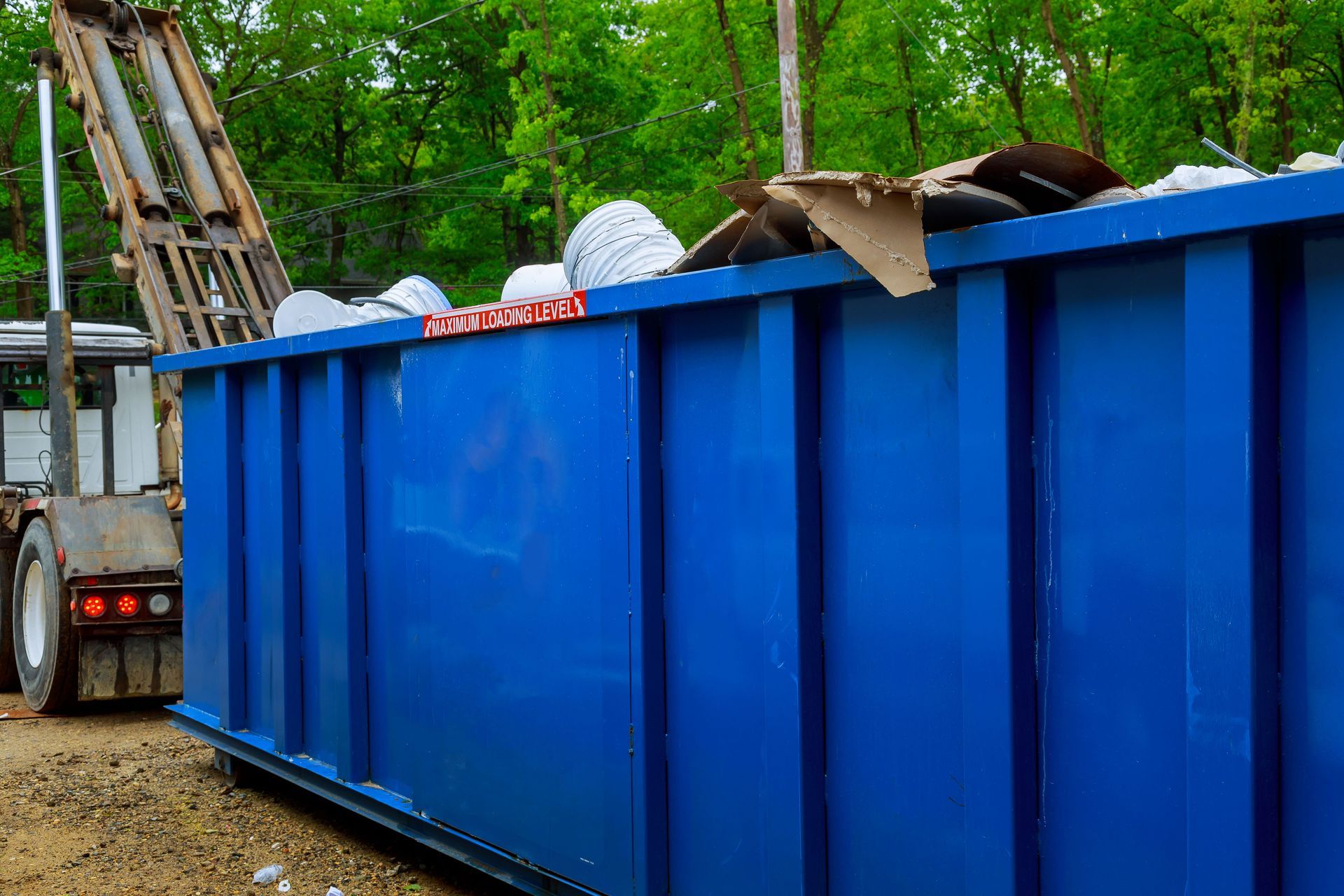
It is also important not to overfill the container. Debris should remain below the fill line so the dumpster can be transported safely. Heavy items should be distributed evenly when possible, and prohibited materials should be kept out. Taking time to load the dumpster properly helps the project stay safe, organized, and compliant with rental guidelines.
A 10-yard dumpster rental can be a smart choice for cleanouts, small remodeling jobs, roofing debris, yard waste, heavy materials, and DIY projects. Its compact size makes it easier to place, while its capacity is often enough for projects that exceed normal trash pickup. By considering debris type, available space, weight limits, and project scope, homeowners can decide whether this size is the right match. For help choosing the best dumpster option for your next cleanup, contact Waste Masters.